I spent a couple of years working at a WhatsApp BSP, and I've read a lot of "future of WhatsApp" posts. Most of them are horoscopes: vague, safe, and interchangeable with any other channel. So I want to do the opposite here. Every shift below is already shipping or already priced in. I'm just connecting the dots to where a small business actually lands by 2027.
Here's the one number that frames all of it: WhatsApp crossed 3 billion monthly active users in 2025, with roughly 2.3 billion people opening it every single day, and over 200 million business accounts on the platform. That is not a chat app anymore. It's the front door to most of the planet, and Meta has quietly decided it should also be the cash register, the support desk, and the salesperson.
Let me be honest about my bias up front: I build Wexio, an AI customer-communication platform, so I have skin in this game. I'll flag where that colors things. But you don't need my product to see these shifts. You just need to have been paying attention to what Meta shipped in the last 18 months.
Shift 1: From FAQ bots to agents that actually do things
The chatbot era on WhatsApp was mostly keyword trees and "press 1 for support." That's over. Meta put AI directly into WhatsApp, and the bar has moved from answering to acting.
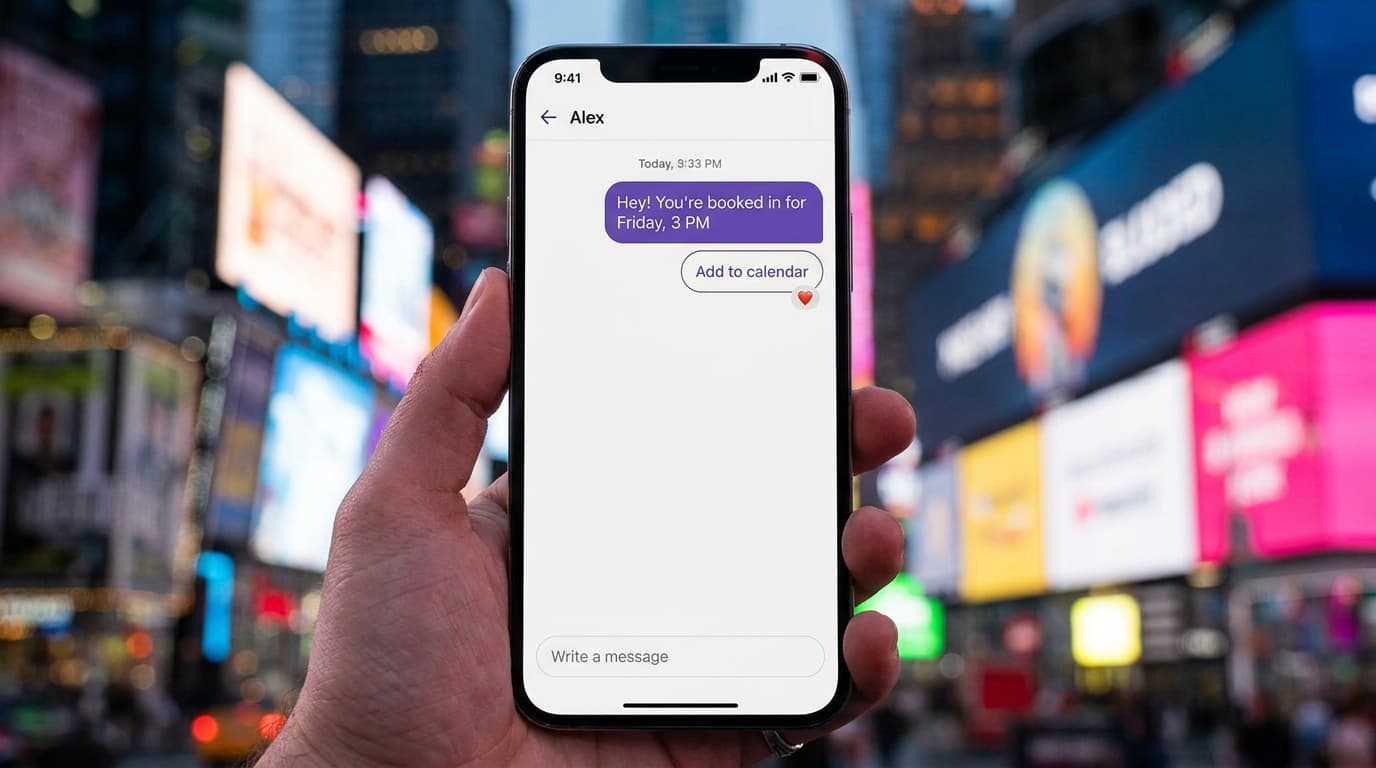
By 2027 the expectation won't be a bot that replies "we're open 9 to 5." It'll be an assistant that checks the calendar, books the appointment, updates the customer record, and pings a human only when it should. The interesting question stops being "can it answer" and becomes "what is it allowed to do."
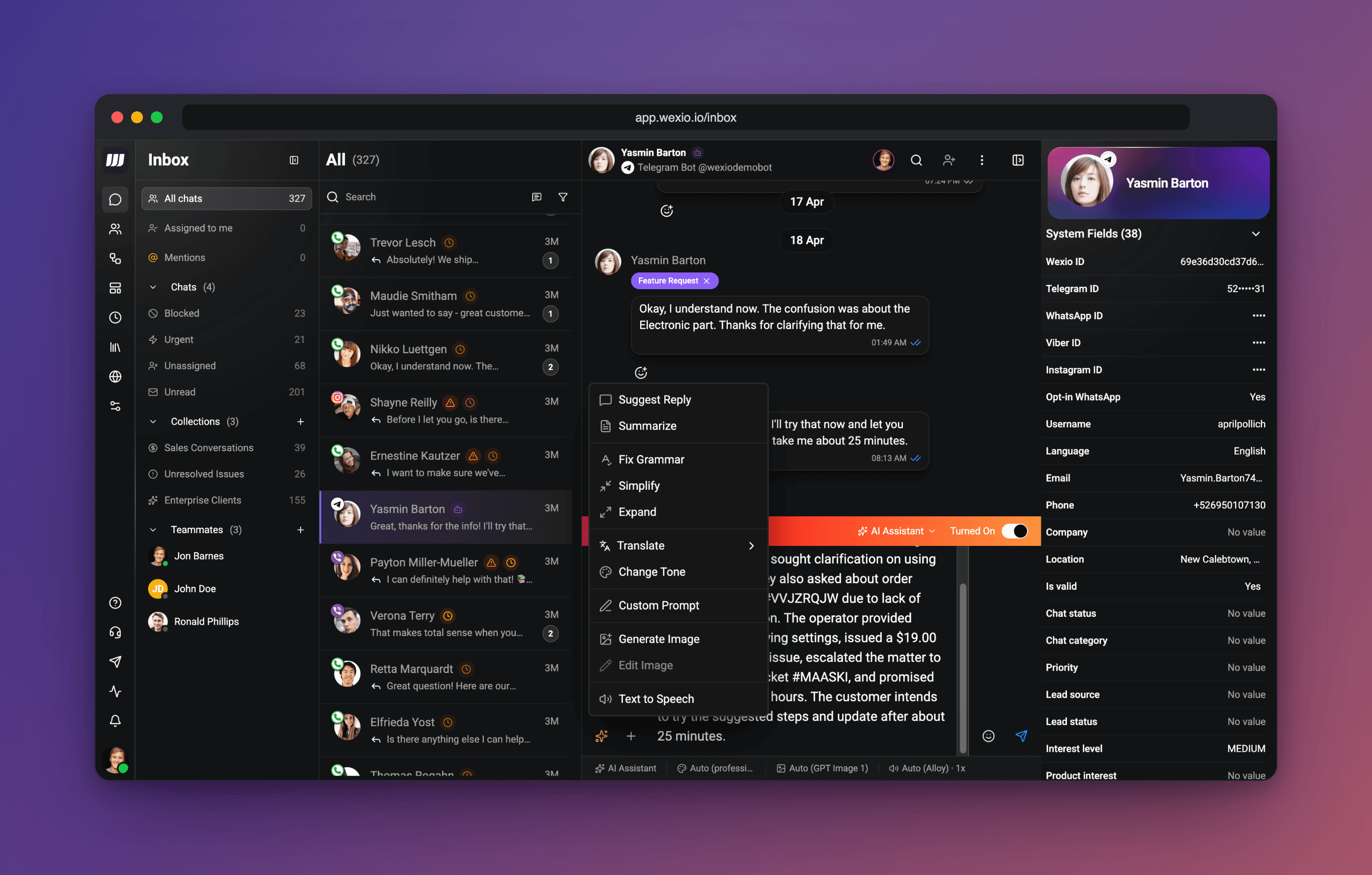
Here's the honest caveat, because this is where most "AI agent" pitches fall apart. At real volume, a naked model wired to your inbox leaks data, hallucinates prices, and forgets what happened two messages ago. I've watched businesses get burned by exactly this. The teams that win are the ones who keep a human in the loop and give the AI guardrails and actions, not free rein.
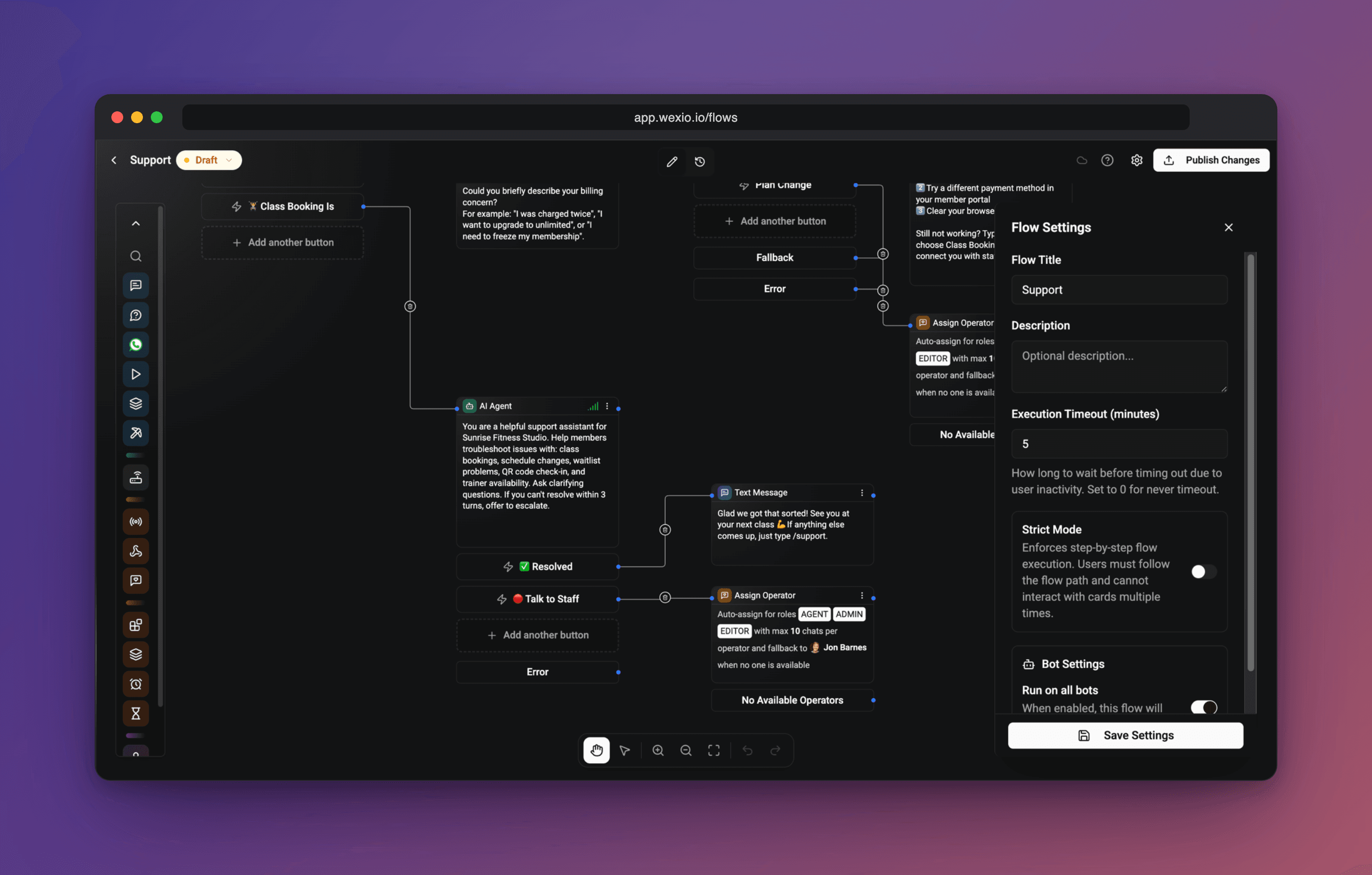
That's the whole reason we built Wexio's AI agents to run inside a visual flow builder: the agent can take an action, but you decide which actions, and a human catches the edge cases. (disclosure: I work on Wexio. Honest status: our web widget and Telegram are live today, with WhatsApp, Instagram and Viber rolling out.)
Shift 2: From chat to checkout, inside the thread
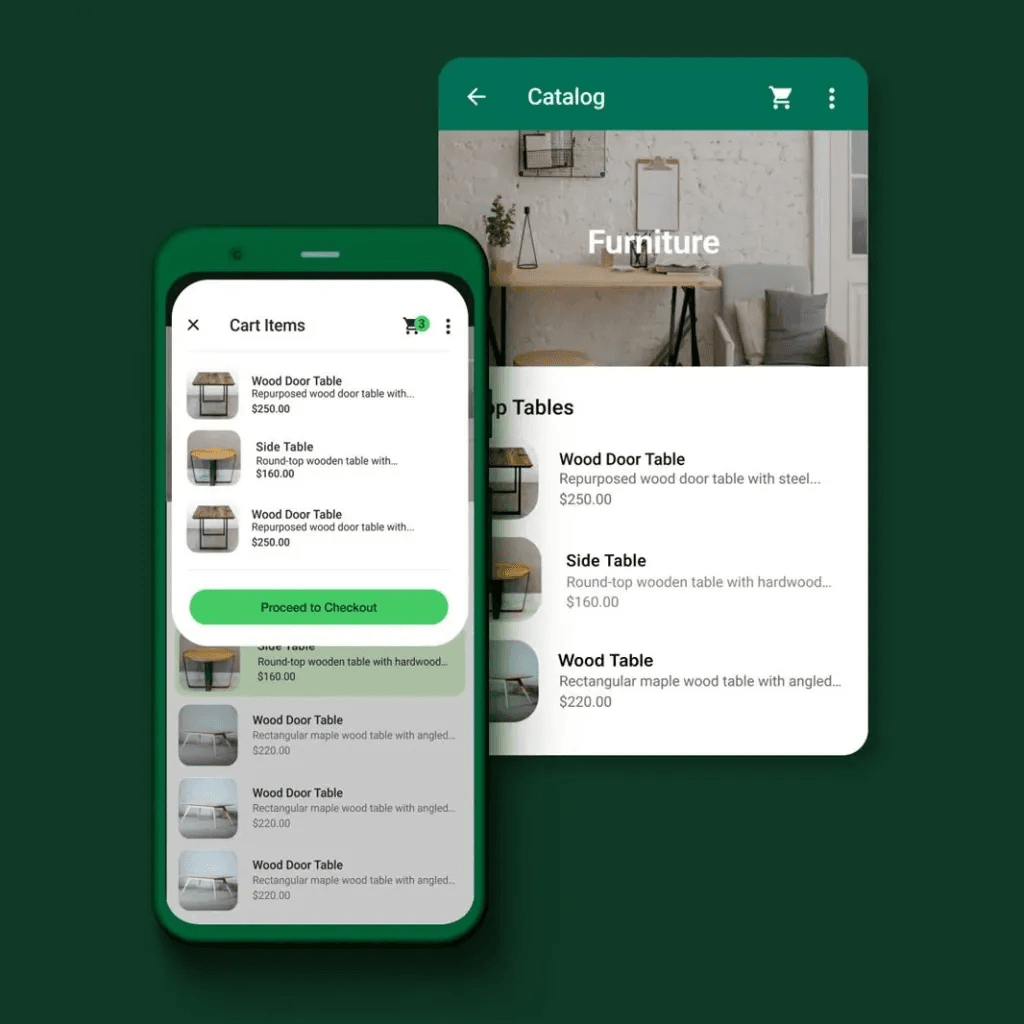
Catalogs, carts, and WhatsApp Pay already exist. Meta is bringing ads into WhatsApp, and WhatsApp paid messaging crossed a $2 billion annual run rate by the end of 2025. Read that as intent: Meta wants the entire funnel to happen in the thread.
By 2027 the normal path for a lot of small businesses looks like this: a click-to-WhatsApp ad opens a chat, the AI qualifies the buyer and shows the catalog, the customer adds to cart, and pays, all without a website. For a local shop or a service business, that's a shorter funnel than anything a landing page can offer.
The honest caveat: payments are still rolling out unevenly by country, so "checkout in WhatsApp" is real in some markets and aspirational in others. But the direction is not in doubt. If you sell anything, the smart move is to treat WhatsApp as a storefront, not a support afterthought, and to make sure the conversation, the order, and the customer profile all live in one place instead of three tabs.
Shift 3: From conversation windows to per-message economics
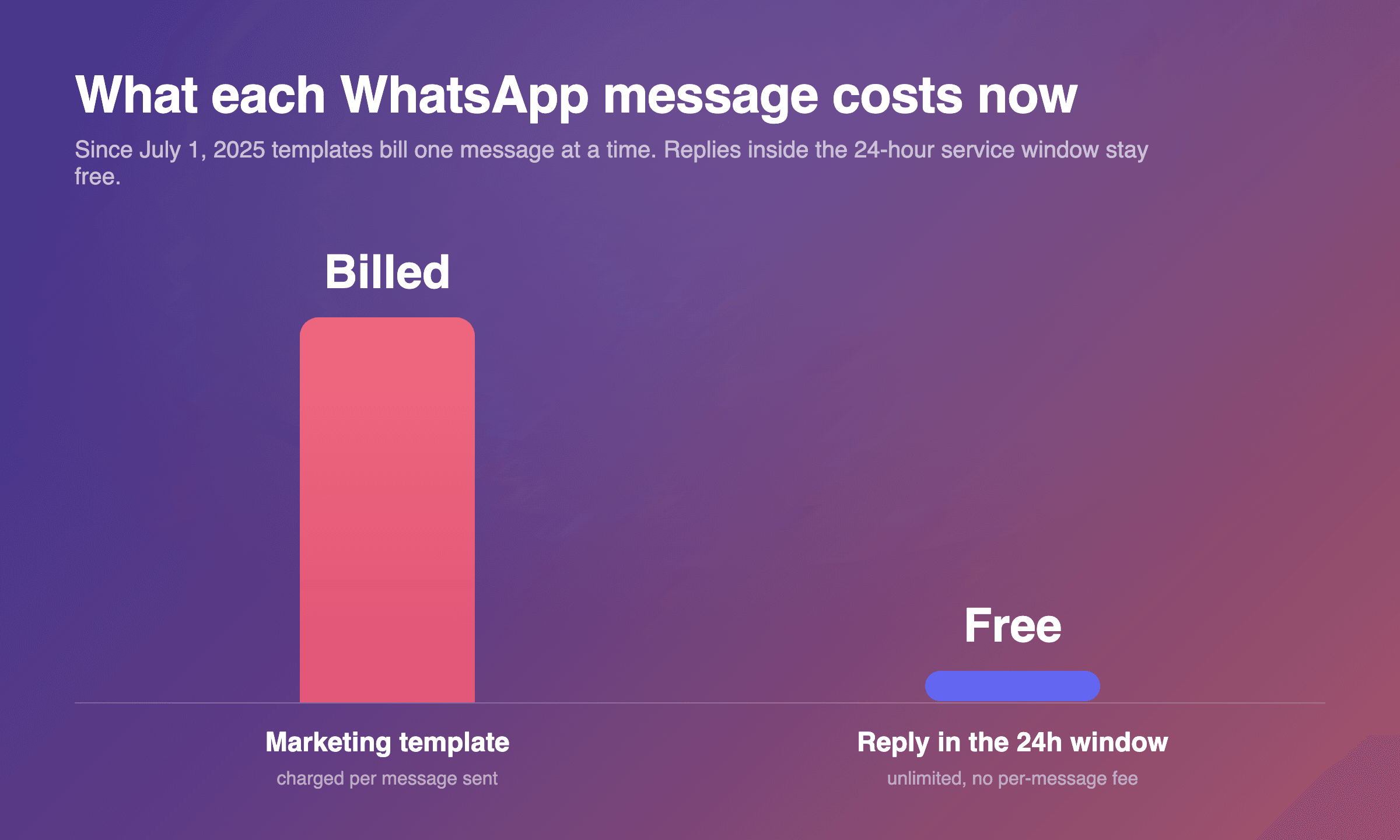
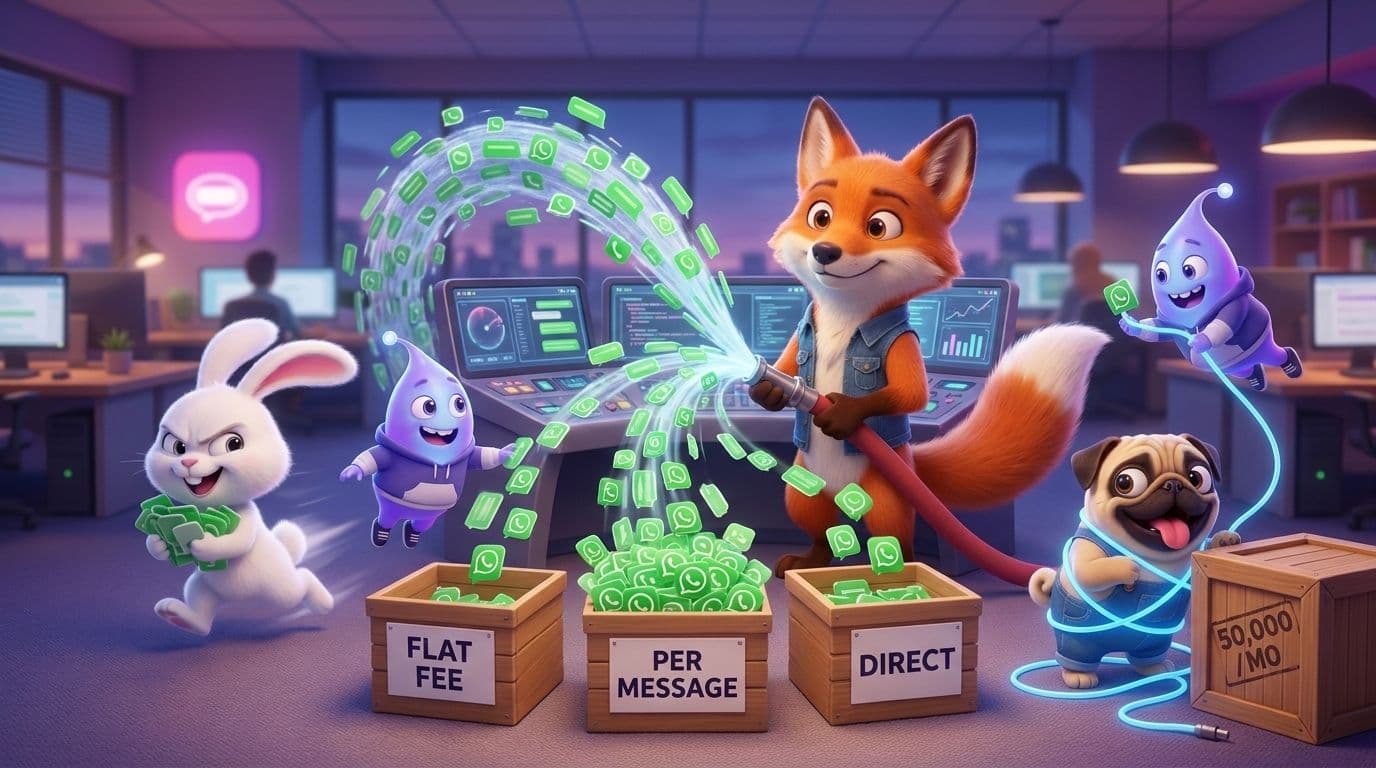
This one already happened and most businesses haven't felt it yet. On July 1, 2025, Meta switched WhatsApp Business Platform messaging (the API tied to your WhatsApp Business Account, the WABA you've probably seen the acronym for) from conversation-based pricing to per-message pricing. For three years you paid for a 24-hour window; now you pay per template message you send.
Why it matters for 2027: this quietly punishes spray-and-pray marketing and rewards relevance. Utility and service replies inside an open customer-service window stay free. Broadcasts and promos become a line item you can watch add up. The businesses that thrive are the ones that keep conversations useful enough to stay in the free service window, and lean on AI to do it at scale.
And here's the trap I care about most, from my BSP days: some platforms bake their own margin on top of Meta's real rate, so you pay twice. Watch that number. We wrote a whole honest breakdown of it in the guide to a free WhatsApp Business API, and it's the reason Wexio's pricing is built around the messages you actually send, not a markup.
Shift 4: From web forms to Flows, the app inside a chat
WhatsApp Flows lets a business run interactive screens, date pickers, dropdowns, multi-step forms, right inside the conversation. By 2027, "click this link to fill out our booking form" starts to feel as dated as faxing an order.
Booking, quoting, onboarding, appointment reminders that reschedule themselves: all of it becomes a native in-chat experience instead of a website detour where you lose half the people. For a small team, that's the difference between a lead and a ghost.
The takeaway isn't "learn Flows." It's that the conversation becomes the interface. Whatever tool you use should let you build those flows without code, because your bottleneck is not engineering time, it's how fast you can turn a common request into an automated path.
Shift 5: From typing to talking
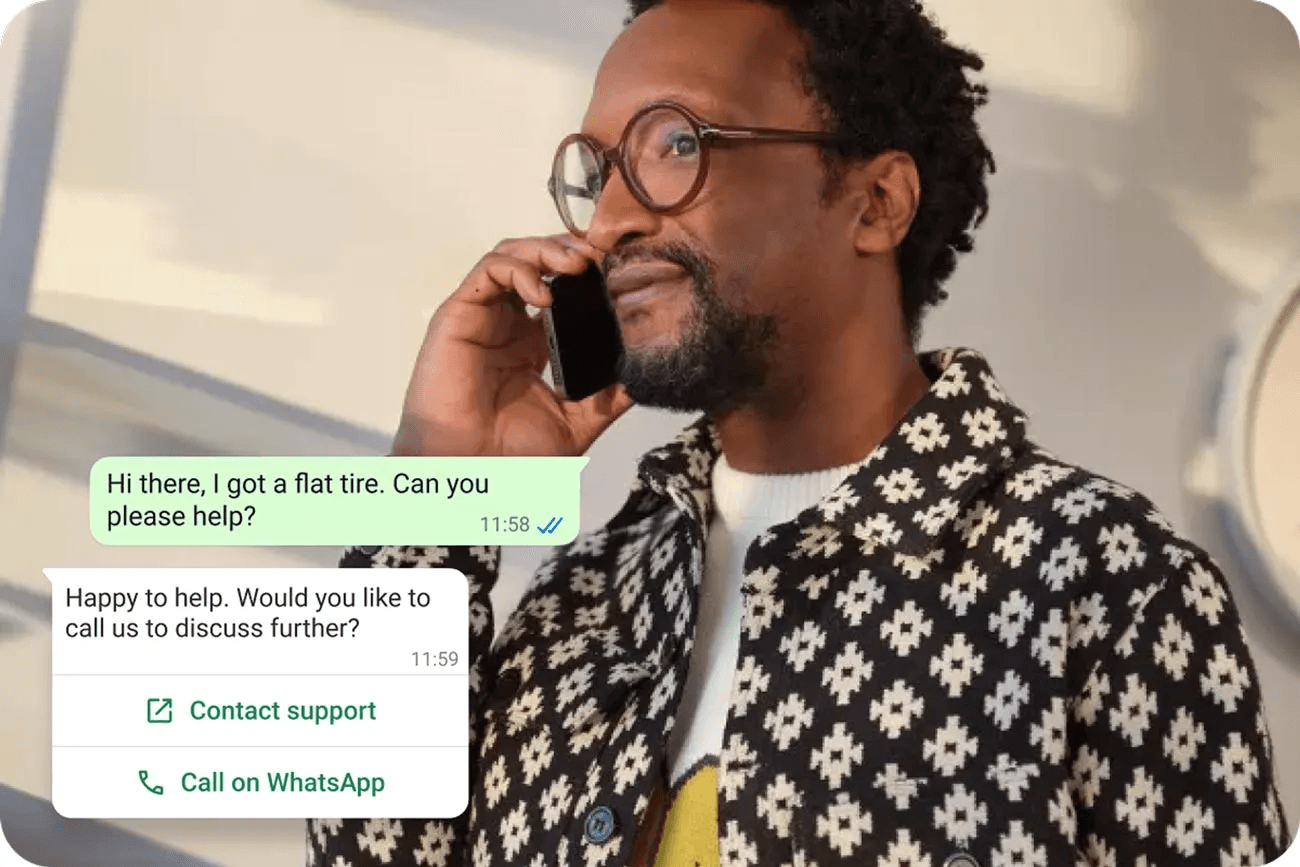
Meta shipped a WhatsApp Business Calling API. Voice is becoming a first-class business channel on WhatsApp, and AI voice agents are the obvious next step. By 2027, "call the business on WhatsApp" and "the AI answers, transcribes, and hands the summary to a human" won't be exotic.
This is the earliest of the six shifts, so I'll keep the prediction modest: voice won't replace text for most support, but it becomes a real option, especially for higher-stakes conversations where a customer wants to talk. The businesses that handle it well will be the ones that keep the call, the transcript, and the follow-up in the same unified thread as everything else, instead of a separate phone system nobody checks.
Shift 6: From channel silos to one customer, one thread
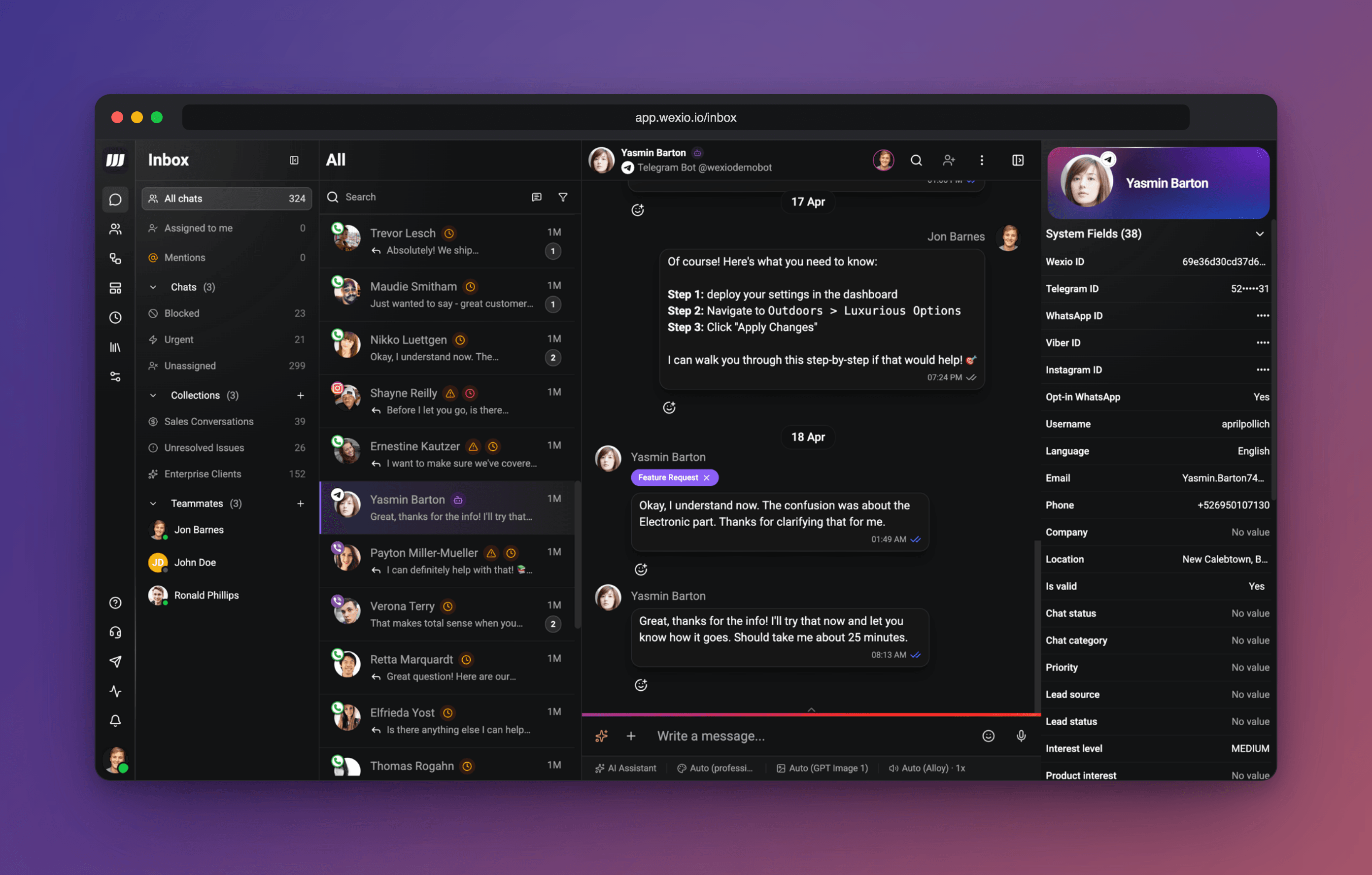
Here's the shift that ties the other five together. Your customer does not think in channels. They DM you on Instagram, follow up on WhatsApp, then open your website chat, and they expect you to remember all of it. Meta is converging its messaging surfaces, and by 2027 treating WhatsApp as an island is going to feel broken.
This is the honest through-line of the whole piece: WhatsApp getting more powerful doesn't reduce your work, it raises the bar. More power in one channel only matters if it feeds a single view of the customer. Otherwise you've just added a fourth inbox to check.
That single-thread, single-profile view is exactly what we obsess over at Wexio, one shared inbox across channels feeding one customer profile, so the WhatsApp conversation, the Telegram thread, and the website chat are the same story. If you're already living on Telegram, we wrote up the practical playbook for that too, and the WhatsApp automation guide covers the nuts and bolts.
The WeChat moment, minus the hype
Put the six shifts together and the picture is clear: WhatsApp is becoming a front office. Support, sales, payments, and AI, all in the thread. This is the "WeChat moment" people have predicted for the West for a decade, except this time it's actually shipping.
Now let me be the person at the party who tempers it, because a future post that only hypes is a future post that ages badly:
- WhatsApp will not replace your website by 2027. Discovery, SEO, and trust still happen elsewhere. It becomes your best conversation channel, not your only presence.
- Payments won't be everywhere. Country-by-country rollout is slow and messy.
- AI will not run fully autonomous. The businesses that let it try, without a human in the loop, are the ones that will publicly embarrass themselves. The winning pattern is AI that does 80% and hands off the 20% cleanly.
None of that changes the direction. It just means the edge goes to businesses that adopt deliberately, not the ones chasing every announcement.
What to actually do before 2027
You don't need to predict the future. You need to not be caught flat when it arrives. Three moves, in order:
- Unify your channels now. Get WhatsApp, Instagram, Telegram, and your website chat into one thread and one customer profile. Everything above is worthless if the conversation is scattered.
- Add an AI agent with guardrails, not a bot. Give it a few actions it's allowed to take, keep a human in the loop, and expand from there.
- Get your cost model honest. With per-message pricing live, know exactly what you pay Meta and make sure no platform is quietly stacking margin on top.
If you want a running start on all three, that's literally what we built Wexio for, and early-stage startups can get Wexio Pro free for six months to set it up before the rush. But the moves matter more than the tool. Do them with whatever you've got.
FAQ
What does WABA stand for? WABA stands for WhatsApp Business Account, the official account Meta gives your business on the WhatsApp Business Platform. You connect it to your own tools, chatbots, and CRM through the WhatsApp Business API, usually via a provider (a BSP). So the WABA is the account; the API is how you plug into it. It's not the consumer WhatsApp Business app, and, no, it has nothing to do with the crypto token or the basketball league that share the acronym.
Did WhatsApp Business Account (WABA) messaging change to per-message pricing? It already did. On July 1, 2025, Meta moved from conversation-based (24-hour window) billing to per-message billing for template messages. Utility and service replies inside an open customer-service window are still free.
Will AI replace human support on WhatsApp? No, and anyone promising that is setting you up to fail. The realistic 2027 model is AI handling the repetitive 80% and routing the rest to a human, with the human staying in the loop on anything sensitive.
Do I need WhatsApp to have all these features to start? No. Start by unifying the channels you already use and adding automation where you repeat yourself. The web widget and Telegram are the fastest place to begin, and WhatsApp slots in as it becomes available to you.
Is this just relevant to big brands? The opposite. A 3-person business benefits more from an AI front office than a 300-person one, because it's the small team that can't staff a 24/7 support desk. That's the whole point.
Where this leaves you
WhatsApp is turning into the place where the whole customer relationship lives, from the first ad click to the repeat order. The businesses that win the next two years won't be the ones with the fanciest bot. They'll be the ones who unified early, automated honestly, and kept a human where it counts.
If you want to build that front office now instead of scrambling in 2027, take Wexio for a spin or see the pricing. And if I got a prediction wrong, tell me, I'd rather be corrected than confidently wrong.